Hemp-derived CBD oil is generally safe for most adults when used appropriately, with research supporting its potential to reduce anxiety, manage pain, and improve sleep quality, though the strength of evidence varies and certain populations should exercise caution. The Exhale brand and other reputable manufacturers have helped bring this cannabis compound into mainstream wellness conversations, but sorting fact from marketing hype remains challenging for consumers and pet owners alike.
Unlike marijuana-derived products, hemp CBD contains no more than 0.3% THC, the psychoactive compound that produces a high. This legal distinction matters because it means hemp CBD won’t impair you, though it can still interact with certain medications and isn’t recommended during pregnancy or breastfeeding. The World Health Organization has confirmed CBD exhibits no abuse potential and is well-tolerated in humans, yet the FDA has approved only one CBD medication (for rare seizure disorders), leaving most products in a regulatory gray zone.
Current clinical evidence shows promise for several conditions. Studies demonstrate CBD’s effectiveness in reducing certain types of chronic pain, particularly when combined with THC. Anxiety reduction has moderate research support, with doses typically ranging from 300 to 600 mg showing measurable effects in controlled trials. Sleep improvements appear real but may stem partly from anxiety relief rather than direct sedative properties.
For pet owners, preliminary veterinary research suggests CBD may help dogs with osteoarthritis and seizures, though dosing guidelines remain imprecise and product quality varies dramatically. This medically-reviewed guide cuts through the confusion to help you make informed decisions about whether CBD belongs in your wellness routine or your pet’s care plan.
Understanding Hemp-Derived CBD Oil: What It Is and How It’s Made
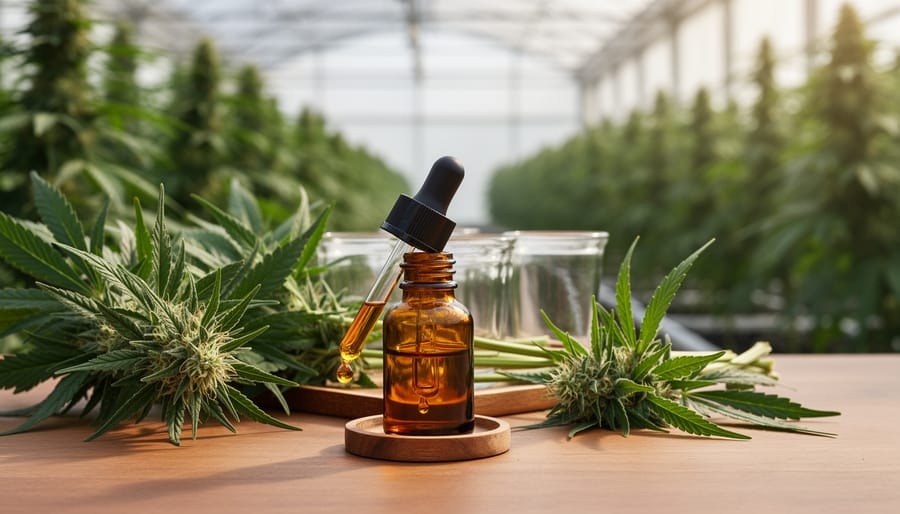
Hemp-derived CBD oil comes from Cannabis sativa plants that contain 0.3% or less THC by dry weight, the legal threshold that distinguishes hemp from marijuana under federal law. This distinction matters because it determines legality and psychoactive potential. While both hemp and marijuana belong to the same plant species, their chemical compositions differ significantly, with marijuana containing higher THC levels that produce intoxicating effects.
CBD, or cannabidiol, is one of over 100 cannabinoids naturally present in cannabis plants. Unlike THC (tetrahydrocannabinol), CBD doesn’t create a “high” or alter your mental state. The difference between CBD vs THC extends beyond psychoactive effects, they interact with your body’s endocannabinoid system in distinct ways, producing different therapeutic outcomes.
The manufacturing process starts with hemp plants cultivated specifically for high CBD content. Producers use several extraction methods, with CO2 extraction being the gold standard. This technique uses pressurized carbon dioxide to pull cannabinoids and other beneficial compounds from plant material without leaving harmful solvent residues. Ethanol extraction offers another effective approach, though it requires careful processing to remove all alcohol traces.
- Hemp-derived cannabis
- Cannabis plants containing 0.3% or less THC by dry weight, legally classified as hemp rather than marijuana. These plants are cultivated primarily for CBD and other non-intoxicating cannabinoids.
- CBD isolate
- Pure cannabidiol with all other plant compounds removed, containing 99% CBD and no THC. This option appeals to those who want CBD alone or must avoid any THC traces.
- Full-spectrum CBD
- Oil containing CBD plus all naturally occurring hemp compounds, including trace THC (under 0.3%), other cannabinoids, terpenes, and flavonoids. Many users prefer this for the potential “entourage effect” where compounds work synergistically.
- Broad-spectrum CBD
- Similar to full-spectrum but with THC completely removed through additional processing. This middle-ground option preserves other beneficial compounds while eliminating THC concerns.
After extraction, the raw oil undergoes refinement and testing. Reputable manufacturers dilute concentrated CBD extract with carrier oils like MCT, hemp seed, or olive oil to improve absorption and make dosing practical. The final product’s potency depends on CBD concentration and the type of spectrum used, which is why third-party lab testing proves essential for verifying what’s actually in the bottle.
The Safety Profile of Hemp-Derived CBD Oil
What Research Tells Us About CBD Safety
The scientific community has gathered substantial evidence about CBD’s safety profile over the past decade. In 2017, the World Health Organization conducted a comprehensive review and concluded that CBD exhibits no potential for abuse or dependence and is generally well tolerated with a good safety profile. This finding has been reinforced by subsequent clinical trials involving thousands of participants.
Multiple large-scale studies have examined CBD use at various dosages, consistently demonstrating that most people tolerate it without serious adverse effects. Research published in medical journals shows that CBD doesn’t impair cognitive function or produce the psychoactive effects associated with THC. The compound also doesn’t appear to affect heart rate, blood pressure, or body temperature in healthy adults at typical supplemental doses.
The UK Food Standards Agency has conducted its own CBD safety assessment as part of evaluating CBD products for the market, examining factors including toxicity, absorption, and long-term exposure. Their work aligns with international findings that CBD presents a favorable safety profile when sourced from quality products.
Clinical trials have tested CBD at doses ranging from 20mg to 1,500mg daily for extended periods, providing data on both short-term and longer-term use. These studies help answer the question many people ask: is CBD oil safe for regular use? The evidence suggests that for most healthy adults, it is when used appropriately.
Nearly all safety research has focused on adults, with less data available for children, pregnant women, and those with significant health conditions. The medical consensus emphasizes that while CBD’s safety profile is encouraging, individual circumstances vary and professional guidance remains important.
Potential Side Effects and Who Should Exercise Caution
While CBD is generally well-tolerated, it’s not entirely without side effects. Most people experience no adverse reactions, but some report mild symptoms including drowsiness, dry mouth, reduced appetite, or digestive upset. These effects are typically temporary and resolve when you adjust your dose or discontinue use.
The more significant concern involves drug interactions. CBD can interfere with how your liver metabolizes certain medications, particularly those carrying a “grapefruit warning.” This includes some blood thinners, heart medications, immunosuppressants, and mood stabilizers. If you take prescription medications regularly, consult your healthcare provider before adding CBD to your routine. They can assess potential interactions and may need to monitor your medication levels more closely.
Certain populations should exercise extra caution. Pregnant and breastfeeding women should avoid CBD due to limited safety data about fetal and infant exposure. People with liver disease need medical supervision, as CBD is processed through the liver and could potentially worsen existing liver conditions. Those with low blood pressure should also proceed carefully, since CBD may lower blood pressure further.
If you’re scheduled for surgery, inform your surgeon about CBD use. It can affect anesthesia and post-operative bleeding risk, so most medical professionals recommend stopping CBD at least two weeks before any surgical procedure.
Is CBD toxic? The answer is no for most people at typical doses, but starting low and monitoring your response remains the safest approach. Keep a journal noting your dose, timing, and any effects to help identify what works best for you while watching for unwanted reactions.
Quality and Purity Concerns: What to Watch For
The hemp-derived CBD market remains largely unregulated, which means product quality varies dramatically between manufacturers. Unlike pharmaceuticals, most CBD oils don’t undergo mandatory safety testing before reaching store shelves, making consumer vigilance essential.
Third-party laboratory testing is your primary quality safeguard. Reputable companies send their products to independent labs that test for CBD content accuracy, THC levels, pesticides, heavy metals, residual solvents, and microbial contaminants. These lab results should be readily available through a Certificate of Analysis (COA), either printed on the product packaging via QR code or accessible on the company’s website.
When reviewing a COA, verify that the CBD content matches label claims within a reasonable margin and that THC levels stay below 0.3 percent for legal hemp products. The report should also show “ND” (not detected) or levels below safety thresholds for contaminants like lead, arsenic, and pesticides. If a company won’t provide test results or the COA is outdated, consider it a red flag.
Beyond lab testing, look for products that clearly list all ingredients, provide batch numbers for traceability, and specify the hemp source. Organic certification, while not mandatory, indicates adherence to stricter agricultural standards. Terms like “full-spectrum,” “broad-spectrum,” or “isolate” should be clearly defined, as these affect the product’s composition and potential effects.
Evidence-Based Benefits of Hemp-Derived CBD Oil for Humans
Conditions with Strong Research Support
Clinical research has identified several areas where CBD oil demonstrates consistent, measurable benefits. While scientists continue studying CBD’s full potential, these four conditions have the strongest evidence base supporting its use.
Anxiety Disorders
Multiple randomized controlled trials show CBD reduces anxiety symptoms in both generalized anxiety disorder and social anxiety. A 2019 study published in The Permanente Journal found 79% of participants experienced decreased anxiety scores within the first month of CBD use. The compound appears to interact with serotonin receptors in ways that help regulate mood and stress response without the sedation associated with traditional anti-anxiety medications.
Chronic Pain and Inflammation
CBD’s anti-inflammatory properties make it particularly effective for persistent pain conditions. Research demonstrates it reduces inflammation by inhibiting certain immune system responses while also affecting pain perception through the endocannabinoid system. Patients with arthritis, neuropathic pain, and fibromyalgia report meaningful relief, though individual responses vary.
| Condition | Evidence Strength | Typical Dosage Range | Key Finding |
|---|---|---|---|
| Anxiety disorders | Strong | 15-25 mg daily | 79% showed reduced anxiety within one month |
| Chronic pain | Strong | 20-40 mg daily | Significant pain reduction in arthritis and neuropathy |
| Inflammation | Strong | 20-50 mg daily | Measurable decrease in inflammatory markers |
| Sleep disorders | Moderate-Strong | 25-75 mg before bed | Improved sleep quality and duration in insomnia patients |
Sleep Disturbances
For people struggling with insomnia or disrupted sleep patterns, CBD addresses both the anxiety that prevents sleep onset and the factors that cause nighttime waking. Unlike sleep medications that can create dependency, CBD appears to normalize sleep cycles by reducing the underlying causes of poor sleep. Studies show improvements in both how quickly people fall asleep and total sleep duration, with effects often becoming more pronounced after consistent use over several weeks.
These benefits reflect what happens when CBD is used at appropriate doses and with realistic expectations about timing. Most people notice changes gradually rather than immediately.
Emerging Benefits Still Under Investigation
While research continues to expand, several potential CBD benefits show promise but need more robust clinical evidence before definitive conclusions can be drawn. Understanding these emerging areas helps set realistic expectations.
Neuroprotective properties represent one intriguing research direction. Preliminary studies suggest CBD may help protect brain cells from damage, with ongoing investigations exploring applications for conditions like Alzheimer’s disease and Parkinson’s. However, most current evidence comes from animal studies and laboratory research rather than large-scale human trials.
Cardiovascular health is another area generating interest. Some research indicates CBD might help reduce blood pressure and protect against heart damage related to stress, but the mechanisms aren’t fully understood and clinical applications remain unclear.
Mental health conditions beyond anxiety, including depression, PTSD, and substance abuse disorders, are being studied, with early results showing potential. Yet the research is still too limited to recommend CBD as a treatment for these conditions without professional guidance.
Skin conditions like acne and eczema are being investigated based on CBD’s anti-inflammatory properties, though topical CBD products haven’t been extensively studied in controlled trials.
Cancer symptom management is frequently discussed, with some evidence that CBD may help with nausea and pain in cancer patients. Claims about CBD directly treating cancer itself lack solid scientific support and should be approached with significant skepticism.
These emerging areas warrant continued attention but don’t yet justify strong therapeutic claims.
CBD Oil Benefits and Safety for Pets
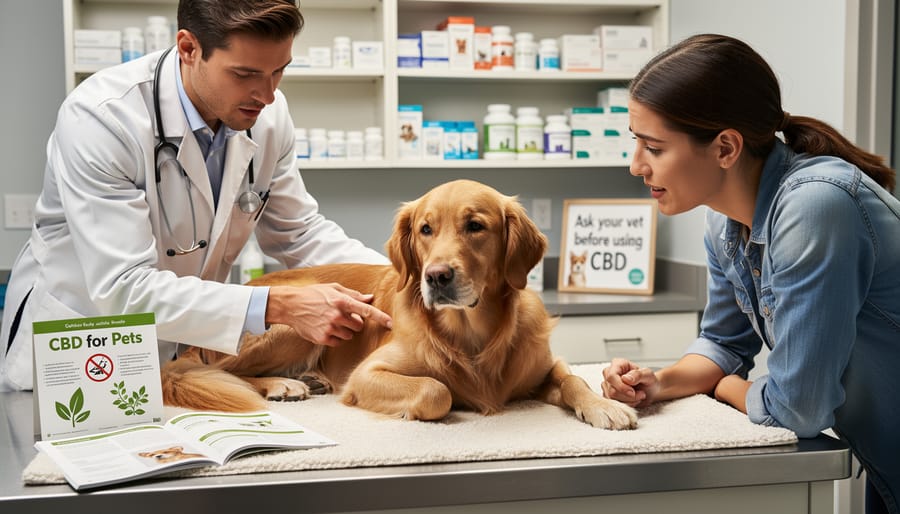
What Pet Owners Should Know About CBD Safety
Pets metabolize CBD differently than humans, making dosing and monitoring critical for their safety. Dogs and cats have a higher concentration of cannabinoid receptors in their brains, which means they can be more sensitive to CBD’s effects, and potentially more vulnerable to adverse reactions if given too much.
Start Low, Go Slow
Veterinarians typically recommend starting with 0.2 mg of CBD per pound of body weight, given once or twice daily. A 30-pound dog, for example, might start with 6 mg per dose. This conservative approach allows you to observe your pet’s response before adjusting. Never assume human dosing guidelines apply to animals; their smaller size and different metabolism require careful calculation.
Watch for These Warning Signs
While serious adverse effects are rare, monitor your pet closely during the first few days of CBD use. Signs that warrant immediate veterinary attention include excessive sedation, difficulty walking, drooling, vomiting, or tremors. Milder effects like drowsiness or slight appetite changes often resolve as your pet adjusts, but report any concerns to your vet.
Species-Specific Considerations
CBD oil for cats requires extra caution, as felines metabolize compounds more slowly than dogs. Cats are also notoriously sensitive to taste, so finding a palatable product matters for consistent dosing. Small animals like rabbits or guinea pigs have even less established safety data, making veterinary guidance essential before starting CBD.
Always choose pet-specific CBD products that have been third-party tested and contain zero THC, which is toxic to animals even in small amounts.
Research-Backed Benefits for Companion Animals
The most compelling research on CBD for pets centers on three primary conditions: anxiety, osteoarthritis pain, and seizure disorders.
A 2019 Cornell University study found that dogs with osteoarthritis showed significant pain reduction and increased activity when given CBD oil at 2 mg/kg twice daily. Veterinary researchers observed measurable improvements in mobility and comfort levels, though effects diminished when treatment stopped. Multiple follow-up studies have replicated these findings, making arthritis pain one of the strongest cases for veterinary CBD use.
For anxiety-related behaviors, preliminary research shows promise but remains limited. Small-scale studies suggest CBD may reduce stress responses during separation, thunderstorms, or car rides in dogs. However, these studies typically involve fewer than 30 animals, and researchers emphasize the need for larger clinical trials to establish definitive protocols.
Seizure management in dogs represents another area of active investigation. A 2019 Colorado State University study found that 89 percent of epileptic dogs receiving CBD experienced reduced seizure frequency. While these results align with CBD’s proven anticonvulsant effects in humans, veterinary researchers caution that CBD should complement rather than replace traditional anticonvulsant medications without veterinary supervision.
Current research focuses almost exclusively on dogs, with minimal data available for cats or other companion animals. Most studies acknowledge their preliminary nature, and veterinarians stress that pet-specific CBD products formulated without THC or harmful additives are essential for safe use.
How to Use Hemp-Derived CBD Oil Safely and Effectively
Finding the right approach to CBD oil requires patience and attention to your individual response. Most people benefit from starting conservatively and adjusting gradually based on results.
The “start low and go slow” method remains the gold standard for introducing CBD oil safely. Here’s a practical framework:
- Begin with 5-10mg of CBD once daily, preferably in the morning so you can monitor effects throughout the day.
- Maintain this initial dose for 3-5 days while observing how you feel, noting any changes in symptoms, mood, or side effects.
- If you experience no relief and no adverse effects, increase by 5mg increments every few days until you notice benefits.
- Once you find a dose that provides relief, continue at that level for at least two weeks to assess consistency of results.
- Fine-tune as needed, recognizing that your optimal dose may shift over time based on body weight changes, symptom severity, or tolerance development.
Most people find their sweet spot between 15-50mg daily, though some conditions may warrant higher amounts under medical supervision.
Administration method significantly impacts absorption and onset time. Sublingual oils, held under the tongue for 60-90 seconds before swallowing, offer relatively fast absorption with effects typically appearing within 15-45 minutes. Swallowing CBD oil directly or mixing it into food delays onset to 1-2 hours but may provide longer-lasting effects. Topical application works best for localized pain or skin conditions but does not produce systemic effects. While some prefer CBD vaping safety profiles for rapid onset, oral oils remain the most straightforward option for beginners.
Timing matters less than consistency. Taking CBD at the same time daily helps you evaluate effectiveness accurately. For sleep issues, dosing 1-2 hours before bed makes sense. For daytime anxiety or pain management, morning or early afternoon administration often works better.
Set realistic expectations about results. CBD is not a pharmaceutical with immediate, dramatic effects. Subtle improvements in anxiety, pain intensity, or sleep quality typically emerge over days or weeks rather than hours. Keep a simple journal tracking dosage, timing, and symptom changes to identify patterns that might otherwise go unnoticed. If you see no benefit after 4-6 weeks at appropriate doses, CBD may not be effective for your particular condition, and that is a valid outcome worth discussing with your healthcare provider.
Common Myths and Misconceptions About CBD Oil
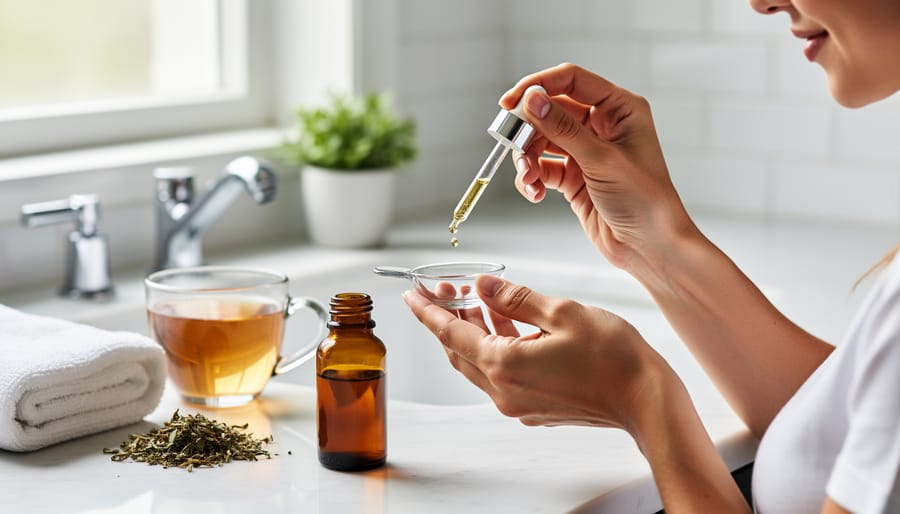
Despite growing research and mainstream acceptance, hemp-derived CBD oil remains surrounded by persistent myths that can confuse consumers. Understanding the facts helps you make better decisions about whether CBD is right for you or your pet.
Myth: CBD oil will get you high. This is perhaps the most common misconception. Hemp-derived CBD contains less than 0.3% THC, far too little to produce any intoxicating effects. CBD and THC are completely different compounds with distinct effects on the body. You can’t get high from legal hemp-derived CBD oil, period.
Myth: All CBD products are the same. Quality varies dramatically between brands. Some products contain significantly less CBD than labeled, while others may be contaminated with pesticides, heavy metals, or residual solvents. Third-party testing and certificates of analysis aren’t just nice extras, they’re essential for safety and efficacy.
Myth: More CBD is always better. Research suggests CBD follows a bell curve response, meaning higher doses don’t necessarily produce better results. Many people find their sweet spot at moderate doses, and exceeding it can sometimes reduce effectiveness or increase side effects.
Myth: CBD cures everything. While CBD shows genuine therapeutic potential for specific conditions, it’s not a miracle cure-all. Marketing claims about CBD treating cancer, eliminating autoimmune diseases, or curing serious illnesses aren’t supported by current evidence. CBD is a promising wellness supplement with legitimate but limited applications.
Myth: CBD is completely unregulated. While oversight isn’t as stringent as pharmaceuticals, the FDA does regulate CBD products and takes enforcement action against companies making false claims or selling unsafe products. Reputable manufacturers follow good manufacturing practices and submit to voluntary third-party testing.
Hemp-derived CBD oil has demonstrated a generally favorable safety profile in clinical research, with most users experiencing minimal to no adverse effects when using quality products at appropriate doses. The evidence supporting its benefits is strongest for anxiety management, chronic pain relief, and certain seizure disorders, while research into other potential applications continues to evolve.
What becomes clear when examining the science is that CBD oil isn’t a miracle cure, but it does offer genuine therapeutic potential for specific conditions. The key to safe, effective use lies in three critical factors: choosing third-party tested products from reputable manufacturers, starting with conservative doses and adjusting gradually, and consulting healthcare providers, especially if you’re taking other medications or managing chronic health conditions.
For pet owners, the same principles apply. Veterinary-formulated CBD products designed specifically for animals, combined with professional guidance from your vet, provide the safest approach to exploring CBD’s benefits for companion animals dealing with anxiety, pain, or seizures.
The regulatory landscape remains imperfect, placing responsibility squarely on consumers to verify product quality through certificates of analysis and company transparency. This extra diligence protects you from the substandard products that unfortunately still populate the market.
Armed with accurate information about both CBD’s legitimate applications and its limitations, you’re positioned to make informed decisions that prioritize safety while exploring potential benefits. Whether for yourself or your pets, approaching CBD oil with realistic expectations and professional support offers the best path forward.